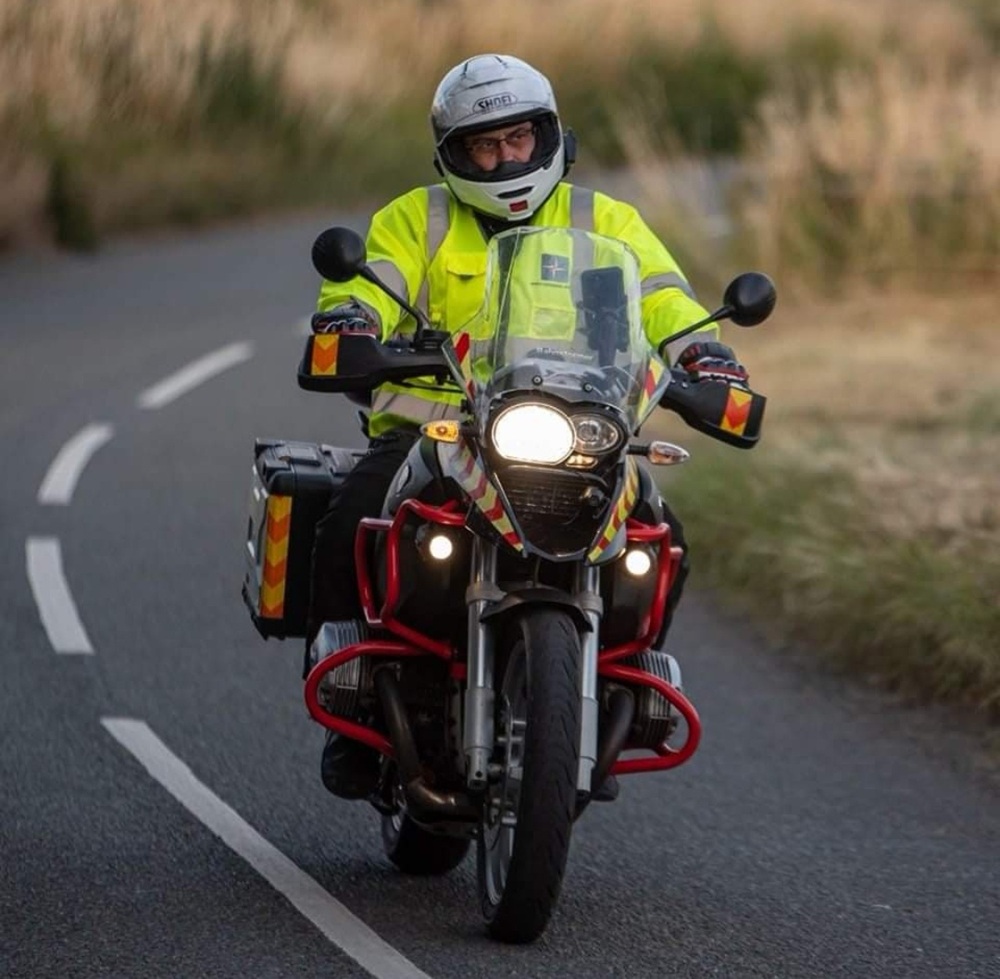
Motorcycle Braking: Planning for the Unexpected
Effective braking is one of the most important skills a motorcycle rider can develop.
Modern motorcycles are equipped with sophisticated braking systems, but technology does not replace good planning. The best braking strategy is often to avoid needing emergency braking in the first place.
Good observation and anticipation can help identify situations that may require slowing down. Approaching junctions, bends, pedestrian areas and congested traffic with an appropriate speed gives you more time to react.
When braking is necessary, riders should understand how their motorcycle responds to both front and rear brakes. The front brake provides a significant proportion of the motorcycle's stopping capability, while the rear brake can contribute to stability and control.
Emergency braking should be practised in a controlled environment where appropriate. Riders need to understand how their own motorcycle behaves under firm braking and how factors such as road surface and weather affect stopping performance.
ABS can provide valuable assistance when braking hard, but it does not remove the laws of physics. Tyres still require grip, and stopping distances can increase significantly on wet, contaminated or slippery surfaces.
Following distances are therefore an important part of braking strategy. Leaving sufficient space from the vehicle ahead reduces the likelihood of needing sudden braking.
Advanced riding is about creating time and space before an emergency occurs.
Good braking skill matters. Good anticipation means you may need it less often.